Parker Schnabel Uncovers a Secret Gold Layer Worth $340M After Drilling 120 Feet Deep!
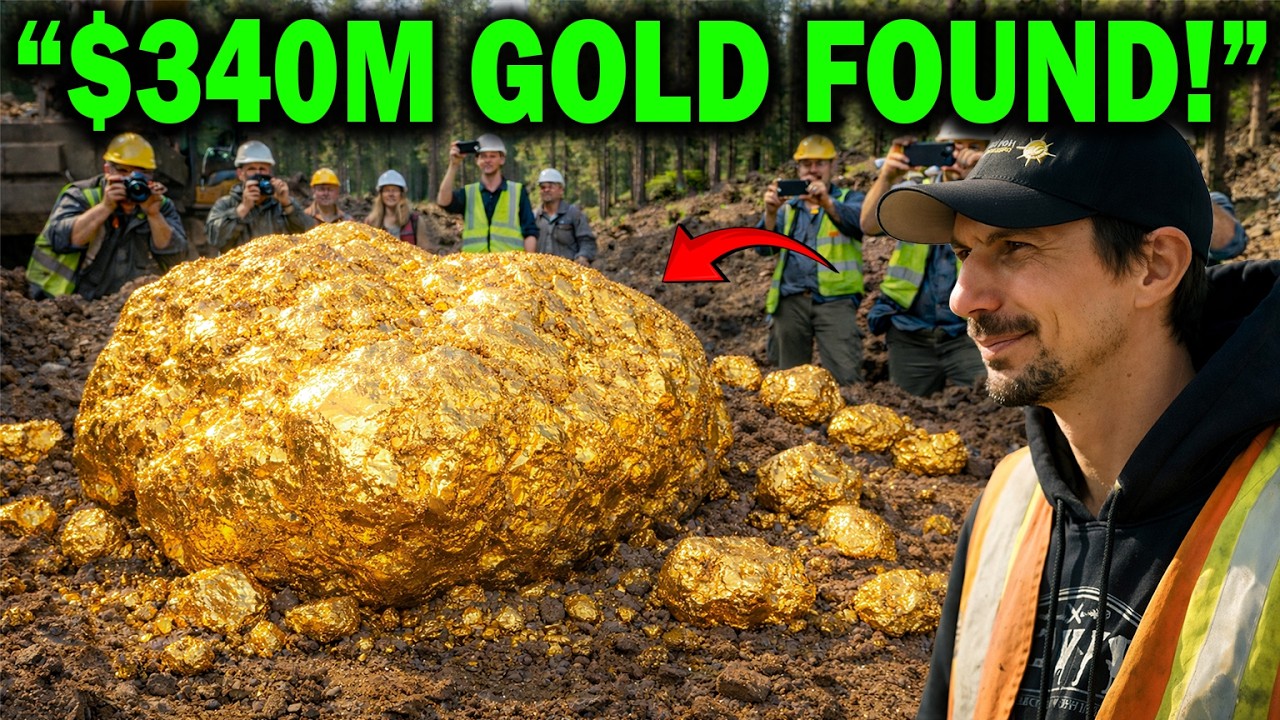
Parker Schnabel’s latest drilling venture has unveiled a hidden treasure beneath the frozen grounds of the Klondike, with estimates suggesting the potential for a gold deposit worth between $310 million and $340 million. The discovery could mark a turning point in Parker’s career and the history of Klondike mining, with experts saying it might be the richest placer system ever found in the region.
After analyzing drill data and geological surveys, Parker and his team decided to take a significant risk by drilling 120 feet deep into the Klondike’s soil. Most placer mining operations typically go only as deep as 40 to 60 feet, but Parker’s team, driven by a gut feeling and historical data, plunged into uncharted depths. Their efforts were rewarded when a core sample from the third drill hole revealed an unprecedented gold concentration of 2.8 ounces per cubic yard—far higher than the usual 0.3 to 0.5 ounces per cubic yard found in typical gold-bearing ground.




Encouraged by these results, Parker expanded the drilling program, completing 17 additional drill holes over the next two weeks. The results from these holes were equally promising, with concentrations ranging from 2 to nearly 3 ounces per cubic yard. This confirmed Parker’s theory that beneath the surface, an ancient river channel, buried for thousands of years, could hold a vast amount of gold.
The Richest Ground in Klondike?
The potential size of the deposit is staggering. Based on initial estimates, the buried pay layer, located 120 feet below the surface, spans an area of approximately 65,000 cubic yards, potentially yielding 140,000 to 150,000 ounces of recoverable gold. With gold prices hovering around $2,250 per ounce, the estimated value of this discovery could range from $310 million to $340 million.
The challenge, however, is that mining at such depths is not only expensive but also extremely risky. The overburden, or the layer of soil, gravel, and frozen earth that sits above the gold, is incredibly heavy. The costs of removing this overburden alone are astronomical, with daily operational expenses running between $45,000 to $60,000. Despite these risks, Parker moved forward with his plan, deploying two large excavators and a high-capacity wash plant to process the material, while also bringing in about 180 workers to manage the operation.
A Rollercoaster Start
In the initial phase of mining, the results were promising. After processing approximately 500 cubic yards of material, the wash plant yielded 1,200 ounces of gold—an impressive start, but nowhere near enough to confirm the full potential of the site. As the operation progressed, the gold recovery rate increased significantly, with daily production climbing from 180 ounces to over 500 ounces per day as Parker’s team reached the heart of the deep pay layer.
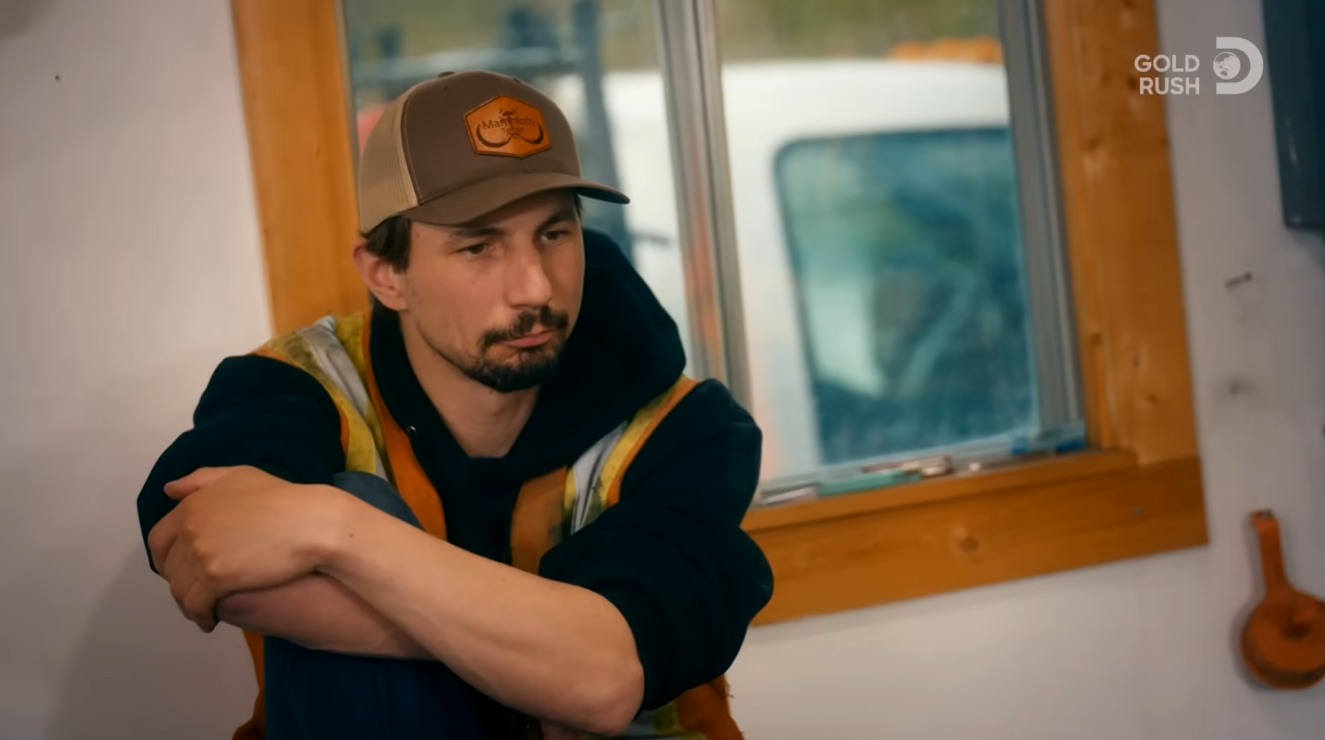
Parker’s crew worked around the clock, pushing the excavators and trucks to their limits. The high daily gold production, valued at around $700,000 to $1 million, confirmed that the site was far richer than anticipated. Even though this was just the beginning, the sheer volume of gold being recovered indicated that Parker was onto something potentially groundbreaking.
The Big Question: How Much Gold Is Really There?
Despite the encouraging results, Parker remains cautious. The real question now is whether the rich layer of gold will continue to be as abundant throughout the entire claim. Geologists believe that this layer could extend for 300 to 400 meters, but the true extent of the gold deposit is still uncertain. Initial drilling suggests that there may be additional layers of gold beneath the current pay zone, making the entire project even more valuable.
Parker and his team are now pushing forward with an even more ambitious excavation plan, which includes drilling deeper to uncover additional gold layers and extend the operation’s reach. The ongoing success of this project could make it one of the most profitable mining endeavors in Klondike history.
A New Chapter for Parker Schnabel
For Parker, this discovery represents more than just a financial windfall. It’s the culmination of years of hard work, risk-taking, and determination. What began as a risky gamble on deep placer mining has turned into what could be the largest gold find in the Klondike in recent memory. The success of this operation could redefine the future of placer mining in the region, setting new standards for gold recovery and exploration techniques.
As Parker continues his excavation, the excitement in the Klondike is palpable. Miners from nearby operations have begun visiting the site to witness the historic findings firsthand. The buzz around Parker’s operation is only expected to grow, with experts now closely watching as the team digs deeper into the ground. Will the gold continue to flow, or will the rich vein prove to be a fleeting pocket? Only time will tell, but for now, Parker Schnabel’s gamble is paying off in spectacular fashion, with the potential for a gold discovery worth hundreds of millions of dollars.