Rick Ness’s Austerity Blueprint: How the Comeback King Is Hunting Used Parts to Survive
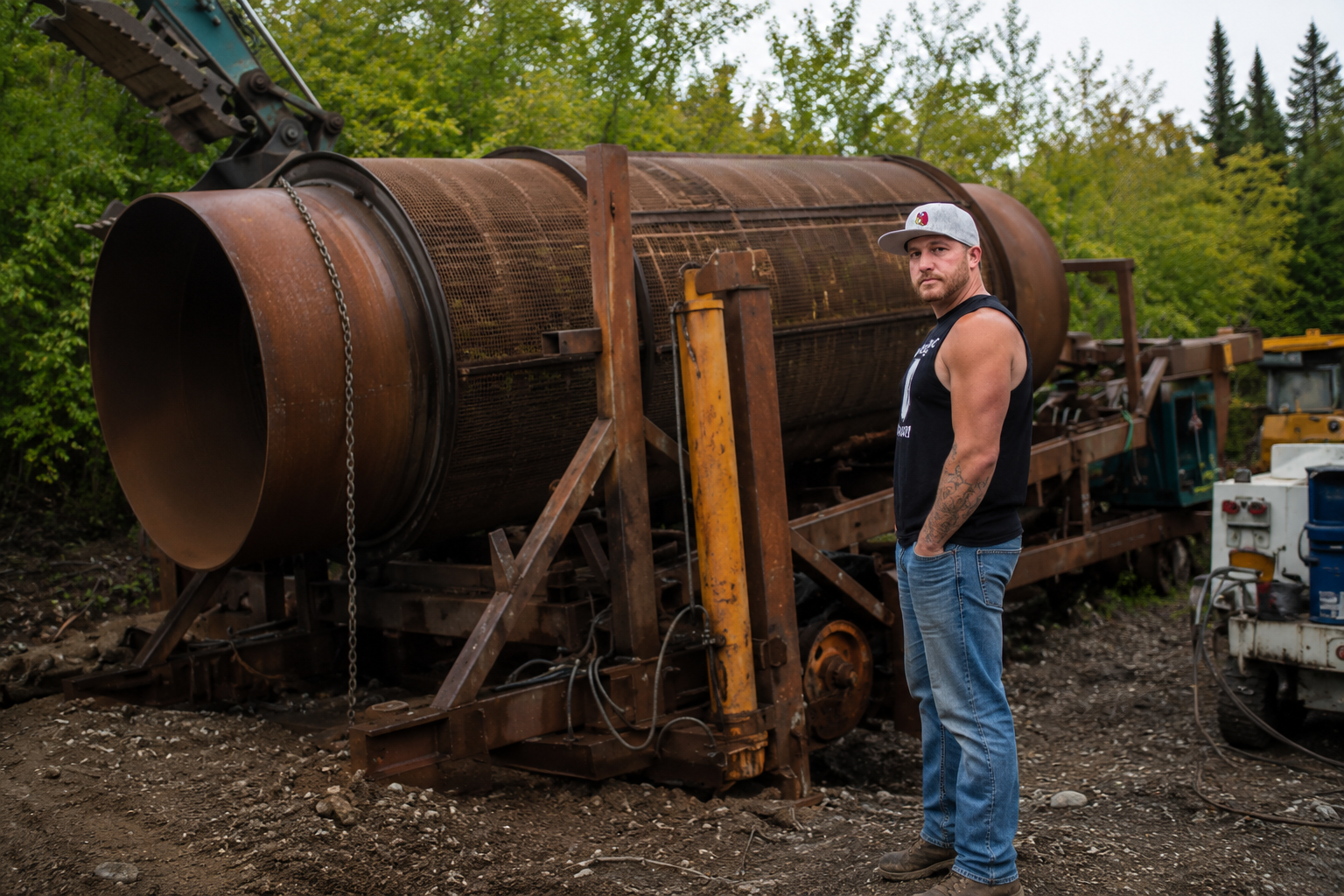
In the high-stakes theater of the Klondike, survival rarely looks glamorous. While his deep-pocketed rivals Parker Schnabel and Tony Beets spent the conclusion of Gold Rush Season 16 liquidating massive fortunes into sprawling land expansions and international real estate, Rick Ness was fighting a completely different kind of war.
For Rick, the hard-fought ounces recovered at the end of the season did not represent a ticket to the wealthy elite. Instead, every flake of gold was a financial lifeline meant to keep the crushing jaws of bankruptcy at bay. Facing strict capital constraints and the looming threat of operational collapse, the fan-favorite miner has adopted a brutal, defensive economic strategy. From a journalistic perspective, Rick’s off-season playbook is a masterclass in textbook austerity: a raw, unfiltered story of a comeback king learning the art of the “refurbished hunt” just to live to fight another day in Season 17.
Clearing the Dead Weight: Debt Liquidation First
Before Rick could even dream of ordering a single yard of dirt moved for the upcoming season, he had to confront the ghosts of his financial past. Placer mining on a budget is an endless cycle of compounding high-interest equipment leases and vendor debts. If left unchecked, these hidden liabilities will suffocate a mine faster than frozen permafrost.
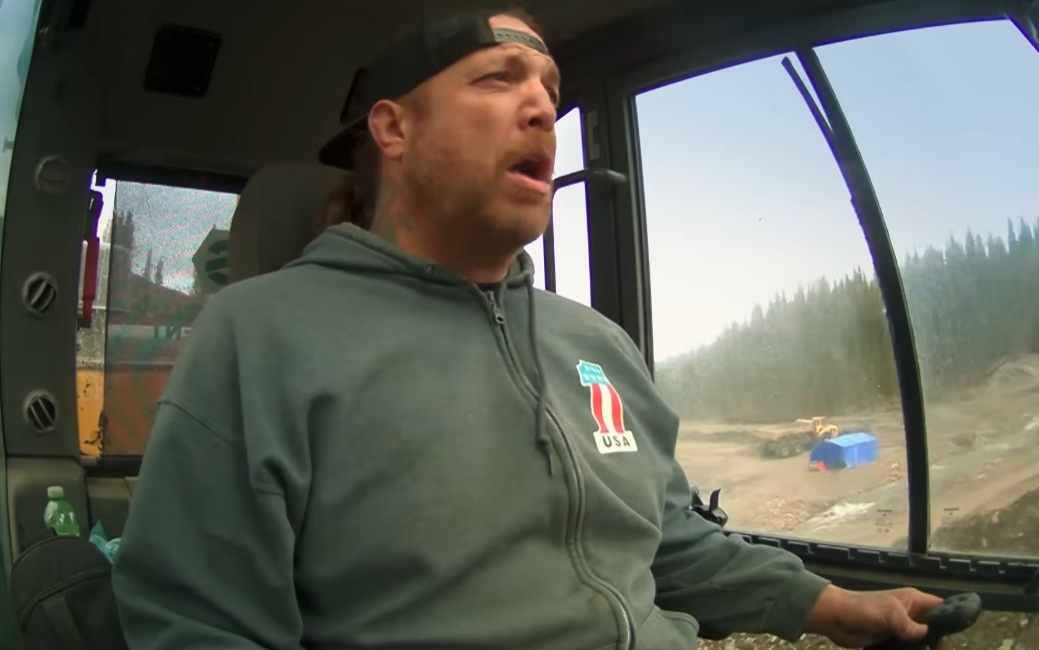
Rather than falling into the trap of purchasing shiny, new heavy machinery that commands staggering six-figure price tags, Rick made the disciplined executive decision to channel his limited Season 16 cash directly into paying off his existing lease balances. By clearing his names from the red ledgers of local heavy equipment dealers, Rick effectively lowered his fixed monthly overhead. It isn’t a strategy that makes for flashy television, but it is the only move that guarantees his operation remains a going concern.



The Art of the Refurbished Hunt
Once the crushing weight of lease debt was managed, Rick was left with a notoriously tight budget to address his mechanical vulnerabilities. A modern D8 bulldozer gearbox or a high-frequency screening deck can easily wipe out a small miner’s entire savings account if purchased brand new from the factory.
Rick’s solution? Turning to the industrial secondary market.
Instead of opening factory catalogs, Rick has been spending his winter scouting heavy machinery salvage yards and online auctions across Western Canada for refurbished and certified pre-owned components. Insiders report that Rick successfully secured a completely overhauled bulldozer transmission and critical, heavy-duty replacement screens for his tailing setup at a fraction of their original retail value.
“People don’t realize that a brand-new piece of steel doesn’t catch any more gold than a properly welded piece of old iron,” an associate from Rick’s camp noted. “When you’re operating on a knife-edge, buying a new machine is a vanity project. Buying a certified used gearbox keeps your crew working without putting a noose around your neck.”
The Verdict: Engineering a Financial Resurrection
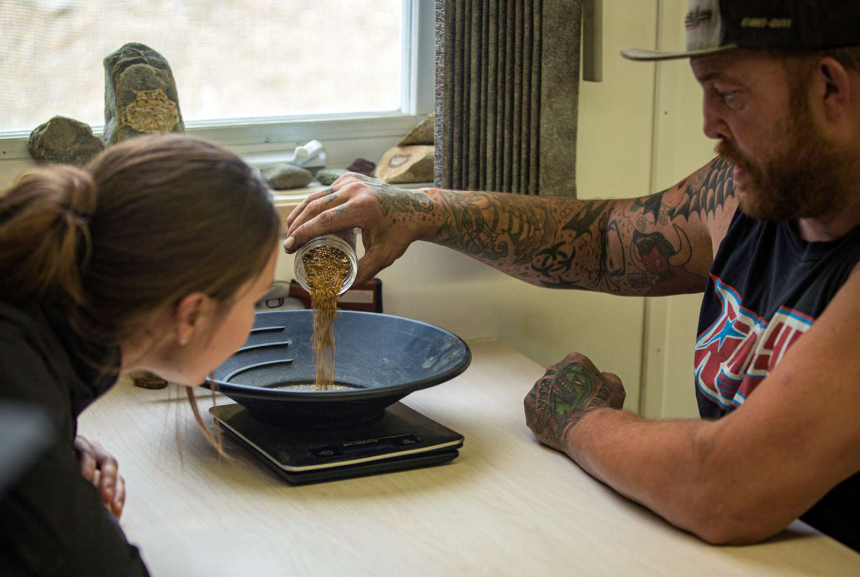
Ultimately, Rick Ness’s austerity strategy reveals the stark economic divide of the modern Yukon. He isn’t mining to build a sprawling dynasty or to hoard hundreds of claims; he is mining for personal redemption and basic financial survival.
By prioritizing debt liquidation over expansion and mastering the logistics of secondhand parts sourcing, Rick is insulating his lean crew from the volatile overhead that often destroys independent operations. Rick Ness may not be entering Season 17 with the largest fleet or the loudest fanfare, but by choosing the humble path of mechanical recycling and financial discipline, the comeback king has ensured his survival. In the Klondike, sometimes staying in the game is the greatest victory of all.