PARKER SCHNABEL’S TEAM DISCOVERS ANCIENT MAMMOTH TUSK sparking excitement over its rare historical and scientific value
A surprising discovery has emerged during early preparations for Gold Rush Season 17, as Parker Schnabel’s crew reportedly came across a massive prehistoric mammoth tusk — a find that has immediately sparked excitement, speculation, and talk of a possible “lucky omen” heading into what is expected to be one of the most intense mining seasons yet.
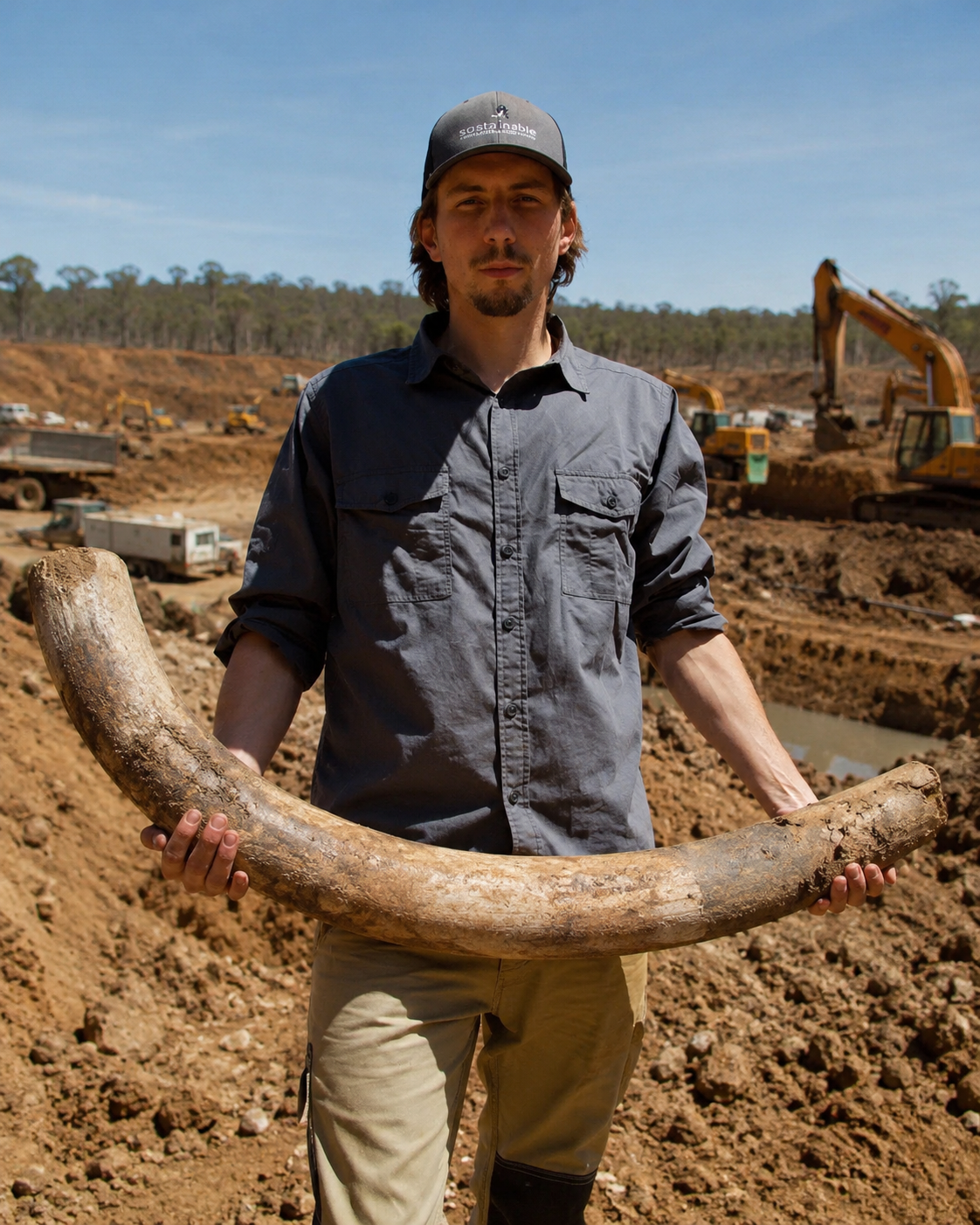
While the focus of the team has traditionally been on gold-bearing ground, heavy machinery, and production targets, this unexpected encounter with a relic from the Ice Age has added an entirely new layer of intrigue to the upcoming season.
A PREHISTORIC DISCOVERY IN THE MIDDLE OF MINING WORK
According to reports surrounding the early field activity, the mammoth tusk was uncovered during ground disturbance work as Parker Schnabel’s team was preparing equipment and surveying areas for the upcoming mining operations.
What should have been a routine setup process quickly turned into something far more unusual when the large fossilized structure was exposed. Initial reactions from the crew suggest surprise at both the size and preservation of the tusk, which is believed to have remained buried for thousands of years.





Such discoveries are not entirely unheard of in northern mining regions, where permafrost conditions can preserve ancient remains. However, the timing — just as preparations for Season 17 were ramping up — has made this particular find stand out.
A SIGN OF GOOD LUCK OR JUST COINCIDENCE?
Among the crew and fans alike, the discovery has already taken on symbolic meaning. Some see the mammoth tusk as a positive sign heading into the new season — a kind of natural “omen” that could foreshadow success in the search for gold.
In mining culture, unexpected discoveries in the ground are often interpreted in different ways. While geologists and engineers treat such finds as interesting but separate from mineral potential, experienced miners sometimes view them as a reminder of the ancient richness of the land itself.
For Parker Schnabel’s operation, which has built a reputation on high-risk, high-reward mining strategies, any sign — even symbolic — tends to fuel conversation about what lies ahead.

PARKER SCHNABEL’S BIG EXPECTATIONS FOR SEASON 17
Season 17 is already expected to be a major chapter for Parker Schnabel’s crew. After years of aggressive expansion, mechanical upgrades, and ambitious gold targets, the pressure to deliver strong results continues to grow.
Parker’s operation is known for pushing equipment and crews to their limits, often working multiple sites simultaneously while trying to maximize seasonal output. That level of intensity means that every early development — even something unrelated to gold — becomes part of the broader narrative surrounding the season.
The discovery of the mammoth tusk adds an unexpected twist to that narrative, giving fans something to talk about even before official mining results begin rolling in.
WHY SUCH FINDS MATTER IN THE YUKON
The Yukon and surrounding northern regions are known not only for gold deposits but also for rich prehistoric history. Ice Age remains, including mammoth bones, tusks, and other fossils, are occasionally uncovered during large-scale excavation or natural erosion.
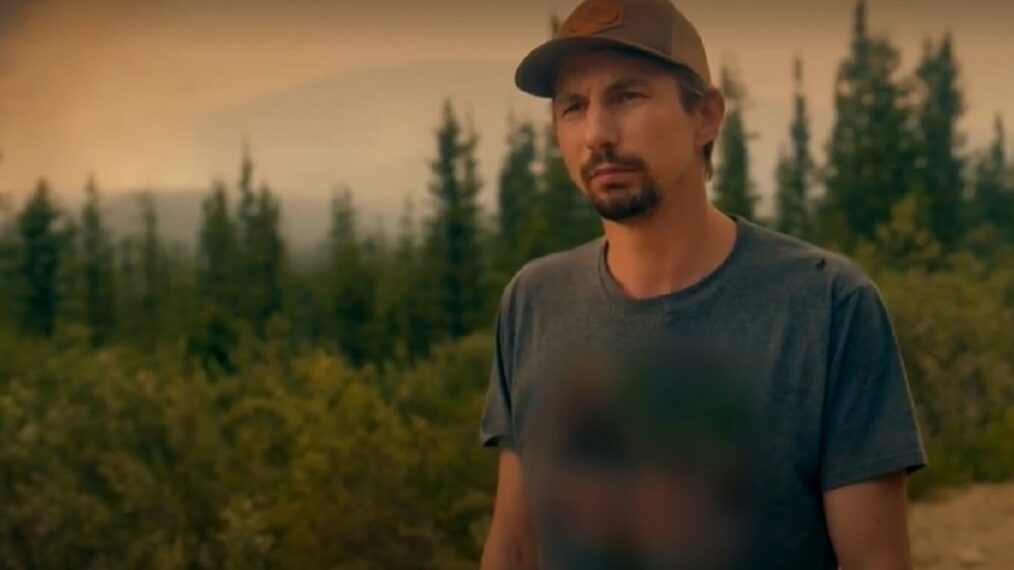
These finds are scientifically valuable, offering insight into ancient ecosystems that once dominated the region. In some cases, discoveries like this are carefully preserved and studied rather than removed or discarded.
For mining crews, however, such moments can temporarily slow operations as protocols are followed and assessments are made regarding how to handle the material safely and legally.
CREW REACTION AND ON-SITE BUZZ
While formal statements from Parker Schnabel or the production team have not been detailed, early accounts suggest that the crew reacted with a mix of curiosity and excitement.
In environments where most days are defined by machinery noise, dirt movement, and operational pressure, an unexpected prehistoric discovery provides a rare moment of pause. It shifts attention away from production metrics and toward something far older than the gold they are pursuing.
Some crew members reportedly viewed the tusk as a fascinating reminder of the land’s deep history, while others quickly turned their attention back to the practical question: how will this affect mining progress and timelines?
 FAN REACTIONS AND ONLINE SPECULATION
As news of the discovery circulated among fans of Gold Rush, reactions were immediate. Social media discussions ranged from amazement at the size of the find to speculation about whether it could signal something bigger for the season.
Many viewers began framing the tusk as a “Season 17 teaser moment” — a symbolic preview of the challenges and surprises that may define Parker Schnabel’s upcoming run.
Others took a more grounded view, noting that while the discovery is interesting, it is unlikely to have any direct impact on gold production itself.
Still, in the world of reality mining television, even unrelated discoveries often become part of the storytelling that drives audience engagement.
A STRONG START TO AN UNPREDICTABLE SEASON
Whether viewed as a scientific curiosity or a symbolic omen, the mammoth tusk discovery has already achieved one thing: it has placed Gold Rush Season 17 in the spotlight before mining even fully begins.
For Parker Schnabel and his crew, the real test will still come from the ground beneath their machines — not ancient relics buried above it.
But as the season unfolds, fans will no doubt remember this early moment as one of the most unusual and unexpected openings in recent Gold Rush history.
And if Season 17 does turn into another record-setting year, some may look back at the mammoth tusk as the moment that set the tone for everything that followed.
 TN
TN